Understanding the New Jersey Department of Corrections: A Comprehensive Guide to NJ Prisons, Inmate Services, and Rehabilitation Programs
Moving through the labyrinth that is the NJ prison system might seem daunting at first, but having the right information can turn that maze into a well-charted map. When encountering the NJ Department of Corrections, it's important to discern the ins and outs of this complex network. This comprehensive guide aims to provide essential information about the New Jersey DOC, from the structure of the system to pivotal resources available for inmates. Most importantly, it highlights steps toward rehabilitation and how to make the process a bit smoother, whether you’re an inmate, family member, or concerned citizen.
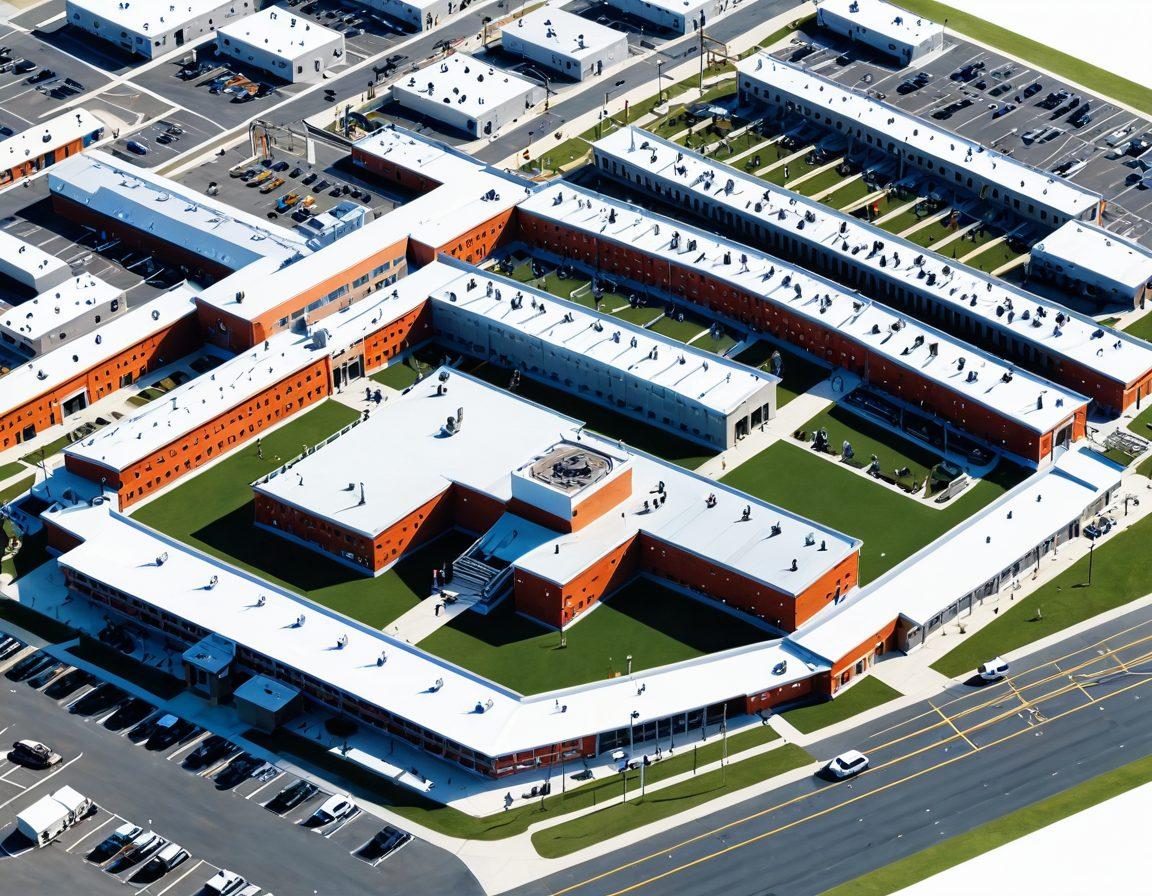
What exactly does the New Jersey DOC encompass? The NJ Department of Corrections is responsible for overseeing the state's correctional facilities, ensuring security, and implementing rehabilitation programs aimed at reducing recidivism. The department plays an integral role in how New Jersey incarceration operates, encompassing both state prisons and county jails. From the storied walls of Trenton State Prison to the modern infrastructure of South Woods State Prison, these facilities are crucial gears in the NJ correctional system machine.
Navigating the NJ prison system requires a thorough understanding of the various New Jersey correctional facilities and the services offered to inmates. One helpful tool for this is the New Jersey inmate lookup, which allows you to find and gather information on incarcerated individuals. Additionally, understanding NJ inmate services, such as mental health support, educational programs, and work-release programs, can provide a semblance of stability and hope. The NJ rehabilitation services are designed with the goal of reintegrating inmates into society, equipped with skills and mindset changes necessary to lead productive lives.
Visitation can be both a beacon of comfort and a logistical challenge. The New Jersey inmate visitation policies are intricately detailed, from scheduling visits to understanding what is permissible to bring along. These rules ensure that while maintaining security, inmates maintain vital connections with loved ones. NJ correction officers work diligently to balance security and humane treatment, providing a safe environment for both inmates and visitors. Communication and persistence are key when planning visits or addressing concerns within the New Jersey DOC framework.
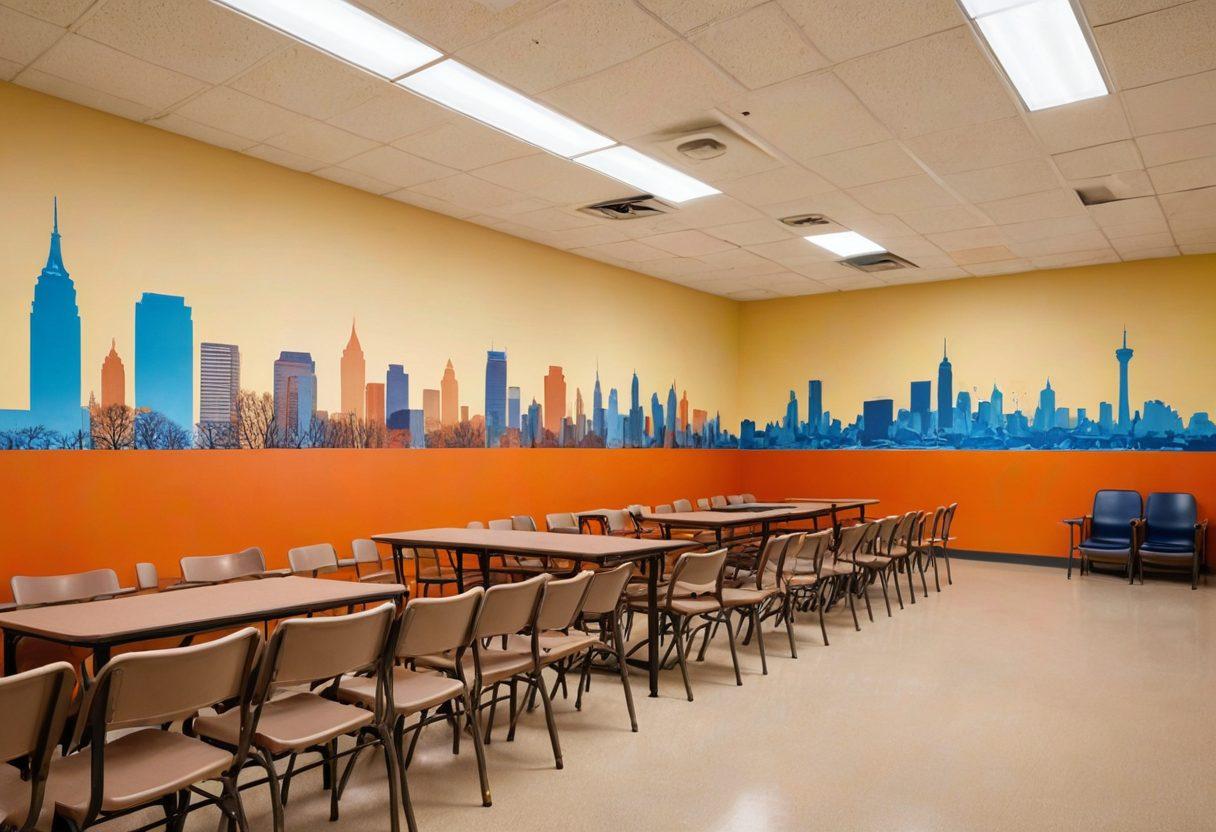
The role of education in New Jersey penitentiaries cannot be overstated. NJ prison education programs span basic literacy to vocational training and even post-secondary education. These initiatives are a cornerstone of New Jersey prison reform, charting a path for inmates to not just serve their sentences, but emerge ready to contribute positively to their communities. Such efforts reflect a growing acknowledgment within the NJ prison system that true rehabilitation extends beyond incarceration— it involves converting time spent behind bars into an opportunity for meaningful transformation. Are we doing enough to support prisoners on their journey to a better future? The ongoing evolution of the New Jersey corrections system aims to answer that crucial question.
Inmate Services in New Jersey: Support, Programs, and Rehabilitation
When discussing the landscape of the NJ Department of Corrections, it's essential to shine a spotlight on the diverse array of inmate services designed to facilitate rehabilitation and support. These services are more than just amenities—they are lifelines for inmates seeking to reshape their futures. But what precisely do these services entail, and how do they impact the broader New Jersey DOC framework? Let’s explore the intricacies of inmate services in New Jersey and their vital role in the NJ prison system.
The NJ Department of Corrections has long recognized the importance of accessible resources for inmates. Whether it’s providing educational opportunities or mental health support, these services are critical in reducing recidivism and promoting successful reintegration into society. As one inmate program coordinator once said, “Education is the key to unlocking the golden door of freedom.” At New Jersey's various prison facilities, inmates can engage in high school equivalency programs, vocational training, and even higher education courses. These educational initiatives are meticulously designed to empower individuals with the knowledge and skills they need to thrive outside prison walls.
Moreover, NJ inmate services extend far beyond academics. The provision of mental health care, substance abuse treatment, and life skills workshops are integral parts of the rehabilitation efforts. New Jersey correctional facilities are equipped with professional counselors and social workers who address the complex needs of inmates. This comprehensive approach is reflected in New Jersey inmate lookup systems and NJ incarceration statistics, which provide transparency and accountability. These resources ensure that families and communities remain informed and involved in the rehabilitation journey, fostering a supportive network for inmates upon their release.
Visitation policies also play an essential role in the rehabilitation process. New Jersey inmate visitation rules are designed to maintain familial bonds, which can be a cornerstone of emotional and psychological support. Through structured visitation programs, inmates in the New Jersey jail system can connect with loved ones, thus fostering a sense of hope and stability. As part of its ongoing New Jersey prison reform efforts, the NJ DOC consistently updates its visitation regulations to ensure they meet the needs of inmates and their families effectively.
Ultimately, the success of NJ rehabilitation services lies in the collaboration between correction officers, community organizations, and the inmates themselves. By addressing the individual needs of each inmate and providing tailored support programs, the NJ Department of Corrections is working towards a more rehabilitative and humane correctional system. The stories of transformation that emerge from New Jersey penitentiaries underscore the impact of these initiatives. For anyone seeking comprehensive NJ prison information or looking to understand the intricacies of New Jersey corrections, it's clear that inmate services are a pivotal element in the path towards reform and rehabilitation.
Exploring New Jersey's Correctional Facilities: Regulations and Reform Efforts
When people think of correctional facilities, they often imagine places marked only by hardship and punishment. However, New Jersey's correctional system is a complex network that seeks to balance security with rehabilitation. With over a dozen state prisons and various county jails, the NJ Department of Corrections has a significant task on its hands. But what exactly are the regulations guiding this intricate system, and how is New Jersey pushing forward with reform efforts? Let's dive deeper into the NJ prison system to uncover the layers of its operations and goals.
The NJ Department of Corrections (New Jersey DOC) oversees the state's vast network of prisons and correctional facilities. From high-security penitentiaries to county jails, New Jersey incarceration spans diverse institutions that accommodate different security levels and inmate needs. Understanding New Jersey DOC information is crucial for navigating this complex landscape. One standout feature of the New Jersey corrections system is its proactive approach to reform, focusing on reducing recidivism and improving NJ inmate services.
Recent years have seen the NJ prison system making strides in reform. Initiatives like NJ rehabilitation services and NJ prison education programs aim to equip inmates with skills and education they need for a productive life post-incarceration. 'Education is the most powerful weapon you can use to change the world,' Nelson Mandela said, and New Jersey seems to have taken that to heart. Programs offering GED classes, vocational training, and even higher education opportunities are increasingly available to inmates. These efforts not only aid personal development but also contribute to overall community safety by reducing repeat offenses.
Regulations within New Jersey correctional facilities are stringent, ensuring security while respecting inmate rights. From NJ inmate visitation policies to NJ inmate resources, the system is designed to maintain order without compromising dignity. Visiting a loved one in prison? The New Jersey inmate lookup tool can provide critical information regarding visitation schedules and guidelines. Moreover, NJ correction officers are constantly trained to uphold these regulations while engaging in humane treatment, setting the NJ correctional system apart in its commitment to both safety and reform.
Reform efforts also extend to transparency and community involvement. For example, NJ incarceration statistics are routinely published and analyzed to identify problem areas and measure progress. This open approach allows citizens and policymakers alike to stay informed and participate in ongoing discussions about the future of New Jersey’s penitentiaries. As one explores New Jersey jail information, it becomes apparent that these efforts are geared towards creating a more rehabilitative environment as opposed to a purely punitive one. By focusing on humane treatment and rehabilitation, the New Jersey DOC showcases a modern correctional philosophy aimed at turning lives around.